Our approach
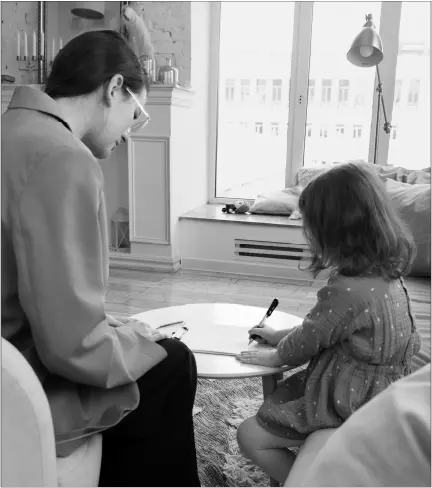
Our approach is rooted in the psychoanalytic tradition, which places careful attention on the deeper layers of the mind that often lie outside conscious awareness. We understand that emotional difficulties can emerge in subtle and complex ways—through behaviour, relationships, physical symptoms, or a general sense of unease. Rather than offering quick solutions, we take time to listen closely and think collaboratively with each patient, allowing patterns and meanings to unfold at a pace that feels manageable and respectful.
Central to our work is the therapeutic relationship itself, which provides a reliable and reflective space where thoughts and feelings can be explored safely. With children and adolescents, this may involve play, creativity, and age-appropriate ways of expressing experience; with adults, it often takes the form of open-ended conversation that encourages curiosity about oneself. Across all ages, our aim is to support a deeper understanding of inner life, helping individuals make sense of their experiences and develop more freedom in how they think, feel, and relate to others.
Psychoanalysis
Psychoanalysis offers a deep and intensive exploration of the mind, focusing on how unconscious thoughts, early relationships, and past experiences continue to shape present life. Meeting several times a week provides a consistent and containing space in which patterns can gradually emerge and be understood. Through open-ended conversation and careful attention to the therapeutic relationship, psychoanalysis aims to uncover the roots of emotional difficulties, enabling lasting change and a greater sense of inner freedom.
Child and Adolescent Psychotherapy
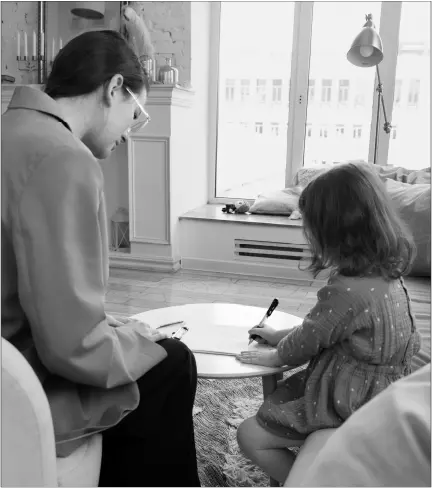
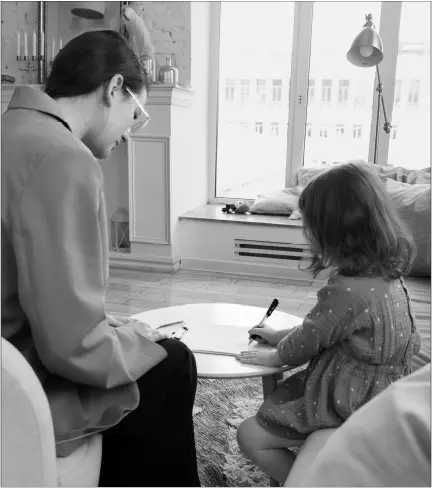
Child and adolescent psychotherapy is tailored to the developmental needs of younger patients, recognising that children and teenagers often communicate through play, behaviour, and creative expression rather than words alone. Sessions may involve drawing, storytelling, or imaginative play, allowing feelings and experiences to be expressed in a safe and age-appropriate way. Alongside this, we work closely with parents or caregivers to support the child’s emotional world within the wider context of family life, helping to foster healthier development, relationships, and a stronger sense of self.
Psychotherapy
Psychoanalytic psychotherapy follows the same underlying principles as psychoanalysis, but is typically less intensive, with sessions taking place once or twice a week. It offers a reflective space to think about current challenges—such as anxiety, depression, relationship difficulties, or life transitions—while also considering the deeper meanings behind them. The focus is on developing insight, strengthening emotional resilience, and supporting a more thoughtful and compassionate understanding of oneself and others.